
Your Post-Storm Home Inspection Checklist: Don’t Miss These Hidden Dangers
Your Post-Storm Home Inspection Checklist: Don’t Miss These Hidden Dangers
The wind has died down, the rain has stopped, and an eerie silence has replaced the roar of the storm. In the aftermath, the first impulse is to rush out and assess the damage. But hold on. The immediate chaos is over, but the real battle for your family’s safety and health is just beginning. The most severe threats aren’t always the caved-in roof or the shattered window; they’re the silent, creeping dangers that can impact your well-being for months or even years to come.

Here at gravityatl.com, we’re a health and fitness online magazine that screams from the rooftops about holistic well-being. We believe that true strength isn’t just built in the gym—it’s forged in how you protect your environment and recover from life’s toughest challenges. A safe, structurally sound, and healthy home is the absolute cornerstone of a healthy life. Recovering from a storm is a brutal test of both your physical and mental fortitude, and we’re here to give you the game plan.
This is more than just a checklist for your house. This is a comprehensive guide designed to protect your most important asset: your health. We’re going to walk you through identifying the hidden dangers—the mold, the bad wiring, the invisible gases—that can compromise your family’s well-being long after the storm has passed.
Key Takeaways
- Prioritize personal safety above all else before you even think about entering or inspecting your home. No property is worth your life.
- Water damage is the number one enemy. It leads to catastrophic structural issues and the growth of dangerous mold, which can trigger severe respiratory problems and other chronic health issues.
- Your home’s electrical and gas systems can become immediate, life-threatening hazards after a storm. They must be inspected with extreme caution and professional oversight.
- The mental and physical stress of storm recovery is a significant health risk. Managing this stress is just as critical as making home repairs.
- Thoroughly document every single bit of damage with photos and detailed notes before you start any cleanup. This is non-negotiable for your insurance claim.
TL;DR
A post-storm home inspection is absolutely critical for your health, not just your house. After you get the all-clear from officials, check your home’s exterior (roof, foundation) and interior (attic, electrical) for damage. The biggest hidden dangers are water intrusion that leads to toxic mold, compromised electrical systems, and gas leaks. Document everything for insurance and make your mental and physical well-being a top priority during the incredibly stressful recovery process.
Your Safety is the Absolute First Priority Before Beginning Any Post-Storm Home Inspection
Listen up: no inspection, no piece of property, no sentimental item is worth your health or your life. Before you take a single step toward your home, you need to shift your mindset from “homeowner” to “safety inspector.” This isn’t the time for emotion; it’s the time for a cold, calculated, and methodical approach to your own security.
Wait for the All-Clear
This isn’t a suggestion; it’s a command. Do not return to your property until emergency officials have declared it safe. They are monitoring the big-picture threats you can’t see, like widespread gas leaks, unstable infrastructure, and the number one post-storm killer: downed power lines. Assume every downed line is live. Treat every puddle of standing water as if it’s electrified and contaminated.
Gear Up for Safety
You wouldn’t walk into a heavy squat session without the right gear, and you absolutely should not walk into a disaster zone unprotected. Your personal protective equipment (PPE) is non-negotiable.
- Hard Hat: To protect against falling debris.
- Safety Glasses or Goggles: Your eyes are vulnerable to dust, debris, and contaminated water.
- Thick Gloves: Protect your hands from nails, broken glass, and splintered wood.
- Waterproof Boots with Sturdy, Puncture-Proof Soles: You need to protect your feet from hidden hazards underfoot.
- N95 Respirator Mask: The air can be thick with dust, insulation fibers, and mold spores. Protect your lungs.
Never Inspect Alone
This is the buddy system on steroids. Never, ever enter a storm-damaged structure by yourself. Have a partner with you, and make sure someone else who is not on-site knows exactly where you are and has a designated time to check in with you. If you get into trouble, you need a lifeline.
A Thorough Exterior Inspection is Your First Step to Stop Further Damage and Identify Immediate Structural Risks
Your home’s exterior is its armor, and a major storm is a full-frontal assault. Identifying breaches in this armor is your first mission, as it stops the bleeding and prevents minor issues from becoming catastrophic failures.
The Roof and Gutters
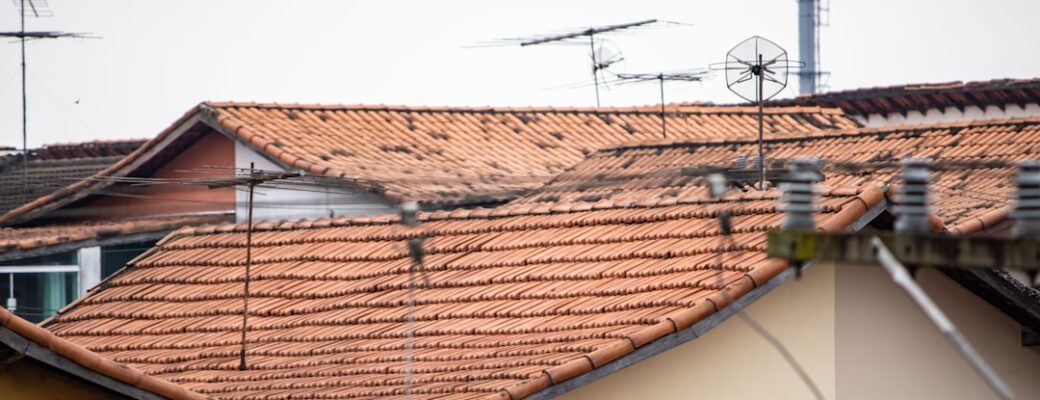
Your roof is the primary shield. Even if it looks okay from a distance, you need to inspect it closely—from the safety of the ground with binoculars if necessary. Look for shingles that are missing, cracked, curled, or “bruised” (showing dark spots where the protective granules have been knocked off). Pay close attention to the areas around vents, flashing, and chimneys, as these are common failure points. If you see clogged or broken gutters, that’s a major red flag. Water that can’t drain properly will back up and seep into your roof, walls, and foundation. Even if your roof survived the hurricane, latent damage could be hiding, waiting to cause problems later.
Siding, Stucco, and Windows
Walk the perimeter of your home and look for any signs of impact. High winds turn everyday objects into projectiles. Check your siding, brick, or stucco for cracks, holes, or dents. Examine every window carefully. Look for shattered panes, cracked glass, and damaged frames or seals. A compromised window isn’t just a security risk; it’s a massive entry point for water.
The Foundation and Drainage
The ground around your home can shift dramatically during a storm. Inspect the visible part of your foundation for any new cracks, especially horizontal ones. Check for soil erosion around the base of the house. If the ground supporting your foundation has been washed away, it can compromise the entire structure’s stability.
Moving Inside, Your Interior Inspection is Crucial for Uncovering Hidden Water Damage and Electrical Hazards
Once you’ve determined the exterior is stable and it’s safe to enter, your focus shifts to the inside, where the consequences of exterior damage become dangerously real. Water and electricity are a lethal combination, and you must proceed with extreme caution.
Start in the Attic
If it’s safe to do so, your first stop inside should be the attic. This is your best early-warning system for a roof leak. Armed with a powerful flashlight, look for signs of moisture. Is the insulation wet or compressed? Do you see dark water stains on the rafters or the underside of the roof sheathing? Can you see any daylight peeking through? Any of these signs mean you have a breach, and water is getting in.
Check Ceilings, Walls, and Floors
Work your way down from the top floor. Scan every ceiling and wall for discoloration or water stains. Look for sagging drywall or bubbling and peeling paint—these are classic signs that water is trapped behind the surface. Feel the carpets and walls for dampness. And trust your nose. A persistent musty, mildewy smell is a dead giveaway for hidden moisture and the start of a mold problem.

Approach Electrical and Plumbing Systems with Extreme Caution
This is where the risk becomes life-threatening. If you see any standing water in your home, especially near outlets or appliances, DO NOT ENTER THAT AREA. If you can safely access your main circuit breaker and water shut-off valve without walking through water, turn them off immediately. Visually inspect for frayed wires, sparks, or burn marks around outlets. Do not touch or attempt to use any electrical appliance that may have been exposed to water.
The Most Significant Post-Storm Dangers to Your Health are Often the Ones You Can’t Immediately See
The visible damage is shocking, but the invisible threats are what can have long-term consequences for your health. These are the enemies you need to hunt down with vigilance because they directly attack your body’s systems.
The Threat of Mold
Make no mistake: mold is a serious health hazard. According to the Federal Emergency Management Agency (FEMA), mold and mildew can begin to grow on damp surfaces within 24 to 48 hours. For people with sensitivities, mold exposure can cause nasal stuffiness, throat irritation, coughing, wheezing, and eye irritation. For those with mold allergies or asthma, reactions can be severe. Prolonged exposure to certain types of mold can lead to more serious respiratory infections and health conditions.
Gas Leaks and Carbon Monoxide
The shifting of your home during a storm can damage gas lines, creating a risk of leaks. If you smell gas—often described as the scent of rotten eggs—evacuate the building immediately. Do not turn any lights on or off, and call your utility company from a safe distance away. Another silent killer is carbon monoxide (CO). Many people use portable generators for power after a storm, but running them indoors, in a garage, or too close to the house can be fatal. The Centers for Disease Control and Prevention (CDC) warns that CO is an odorless, colorless gas that can kill you in minutes.
Contaminated Water and Pests
Floodwater isn’t just water. It’s often a toxic soup of sewage, chemicals, bacteria, and debris. Direct contact can lead to skin rashes, infections, and serious illnesses if ingested. Furthermore, storms displace wildlife and pests like rodents and insects, who may decide your damaged home is the perfect new shelter, bringing with them a host of other health risks.
Managing the Mental and Physical Stress of Recovery is Essential for Your Long-Term Well-Being
The physical toll of a storm is obvious, but the mental and emotional strain is a marathon, not a sprint. At gravityatl.com, we know that true fitness is for both mind and body. Overlooking your mental health during this period is like trying to rebuild your house on a cracked foundation—it simply won’t hold up.
Acknowledge the Mental Toll
It is completely normal to feel overwhelmed, anxious, stressed, and emotionally exhausted after a traumatic event. Don’t ignore these feelings. Taking control of the situation with a methodical process, like following this checklist, can be a powerful way to reduce feelings of helplessness. The stress of recovery can also trigger unhealthy coping mechanisms or worsen issues like addiction, which can prevent you from reaching your goals. Recognizing this is the first step toward managing it.
Practice Safe Cleanup
The cleanup process itself is a strenuous physical activity. Treat it like a high-intensity sport. You must focus on what physical fitness is and apply those principles here. Use proper lifting techniques—lift with your legs, not your back—to avoid serious injury. Take frequent breaks to prevent exhaustion and heat-related illness. Stay hydrated by drinking plenty of clean water. This isn’t just about cleaning up; it’s about preserving your physical health for the long road ahead.
Know When to Ask for Help
You are not in this alone. Lean on your friends, family, and community for support. There is incredible strength in asking for help. If you’re feeling persistently overwhelmed or hopeless, seek professional mental health support. A healthy mind is the most powerful tool you have for a successful recovery.
Proper Documentation and Knowing When to Call a Professional are Your Final Steps to a Safe Recovery
Your final mission is to transition from immediate safety assessment to long-term recovery, and that requires evidence and expertise. This is the business end of the process, and getting it right is crucial for your financial and structural recovery.
Document Everything, Touch Nothing
Before you move a single piece of debris or start any cleanup, become a forensic photographer. Take extensive photos and videos of all the damage, both inside and out. Get wide shots to show the context and close-ups to show specific details. Your phone’s video function is excellent for narrating a walkthrough, pointing out damage as you go. This documentation is your most powerful tool when filing an insurance claim.
When to Call the Pros
You are not expected to be an expert in everything. Knowing your limits is a sign of strength. Here’s when to get your phone out and call for professional backup:
- Roofers: For any suspected roof damage. A professional can safely get on the roof and spot issues you can’t see from the ground.
- Licensed Electricians: For any concerns about your electrical system, especially if the property was flooded. Do not take chances.
- Plumbers: To check for hidden pipe damage or leaks within the walls.
- Water Mitigation/Mold Remediation Specialists: If you have significant water damage or suspect mold, these experts have the equipment and knowledge to dry out your home properly and remove mold safely.
- Public Adjuster: These professionals work for you, not the insurance company, and can help you navigate the complexities of your claim to ensure you get a fair settlement.
Building Back Stronger
The path to recovery after a storm is demanding, but it’s a path you can walk successfully. By prioritizing safety, conducting a methodical inspection, and understanding the deep connection between your home’s health and your own, you are taking control. This checklist is your roadmap to not just rebuilding your property, but safeguarding your family’s physical and mental well-being.
At gravityatl.com, we believe that true health and fitness are about building the resilience to overcome life’s greatest challenges. Using this checklist is a powerful, proactive step in protecting your home, your finances, and your family’s health. It’s about building back stronger, in every sense of the word.
Frequently Asked Questions
What is the most important first step to take after a storm before inspecting my home?
Your personal safety is the top priority. Before beginning any inspection, ensure the storm has completely passed and be aware of immediate dangers like downed power lines, unstable structures, or potential gas leaks. Do not rush into a potentially hazardous situation.
What are the most common ‘hidden dangers’ to look for after a storm?
Beyond obvious structural damage, storms can create silent threats to your health. These include mold growth from hidden water intrusion, compromised electrical wiring that can pose a fire risk, and potential leaks of invisible, harmful gases.
Why is a post-storm home inspection so important for my family’s health?
A safe and healthy home is a cornerstone of overall well-being. The aftermath of a storm can introduce health hazards like mold, which can cause respiratory issues, and faulty wiring or gas leaks, which pose immediate safety risks. A thorough inspection protects your family from these long-term health and safety threats.