

Pricing Your Indianapolis Home to Sell: A 2026 Guide for a Buyer’s Market
Pricing Your Indianapolis Home to Sell: A 2026 Guide for a Buyer’s Market
Selling your home is a heavyweight championship bout. It’s one of the biggest financial events of your life, but let’s be honest—it’s also an absolute marathon of stress, emotion, and exhaustion. The process can grind you down, especially when you’re stepping into the ring in a tough buyer’s market. Here at gravityatl.com, we’re an online magazine obsessed with health and fitness, but we know that true wellness isn’t just about what you do in the gym. It’s about building the strength and resilience to handle life’s biggest challenges, and selling your home is right at the top of that list.

Think of this guide as your official training plan. We’re going to give you the unvarnished truth and a rock-solid strategy for Pricing Your Indianapolis Home to Sell in the projected 2026 Buyer’s Market. This isn’t just about money; it’s about your financial fitness and your mental health. Let’s get you conditioned to cross that finish line feeling powerful, successful, and with your sanity fully intact.
Key Takeaways
- Market Reality: A buyer’s market in 2026 Indianapolis means more homes for sale than buyers, giving buyers the leverage. Aggressive, data-driven pricing is non-negotiable.
- Strategy is Key: Pricing isn’t just a number; it’s a marketing strategy. Pricing slightly below comparable sales can generate a frenzy of interest, while overpricing is the fastest way to have your home sit stagnant.
- Data Over Emotion: Successful pricing relies on a Comparative Market Analysis (CMA), an objective assessment of your home’s condition, and current market metrics—not on what you “need” to make or your emotional attachment.
- Pricing and Your Well-being: The stress of selling a home is significant. A smart, realistic pricing strategy from the start is a form of self-care, reducing anxiety, preventing burnout, and leading to a healthier, more successful selling experience.
TL;DR
To sell your Indianapolis home in the 2026 buyer’s market, you must price it competitively from day one. This involves analyzing recent comparable sales, objectively assessing your home’s condition, and understanding that buyers have the upper hand. Overpricing will lead to prolonged stress and price reductions; a smart pricing strategy is crucial for both your financial and mental health during the process.
Understanding the 2026 Indianapolis Buyer’s Market Climate
Before you can even think about a price, you have to understand the playing field. The seller-centric frenzy of the early 2020s is in the rearview mirror. A buyer’s market flips the script entirely, and if you’re not prepared, you’re going to get knocked out in the first round.
What Exactly is a Buyer’s Market?
Let’s break it down. No fluff, just facts.
Buyer’s Market: A market condition where the supply of homes for sale exceeds the demand from buyers. In simple terms, there are more sellers than buyers, which hands the negotiating power to the people looking to purchase.
This environment has a few key characteristics you need to burn into your brain:
- Homes sit longer. The “Days on Market” (DOM) metric creeps up. A home that might have sold in a weekend a few years ago could now take 30, 60, or even 90 days.
- Prices flatten or dip. The rapid appreciation sellers once enjoyed slows, stagnates, or may even reverse course.
- Buyers get demanding. With more options, buyers can be pickier. They’ll ask for repairs, closing cost credits, and other concessions that were unheard of in a seller’s market.
Why 2026 in Indianapolis? (Projected Factors)
While no one has a crystal ball, market analysts point to several converging trends that are likely to shape the 2026 Indianapolis real estate landscape.
- Increased Housing Inventory: New construction projects that broke ground in previous years are coming online, adding a significant number of new homes to the market and increasing overall supply.
- Stabilized Interest Rates: After the volatility of the past, interest rates are expected to settle at a level that, while potentially lower than their peaks, remains high enough to temper the frantic urgency of buyers. The Mortgage Bankers Association projects a gradual normalization of rates, which gives buyers more time to be selective.
- Economic Shifts: Broader economic trends influencing local employment and corporate relocations can shift the delicate balance of housing supply and demand in the Circle City.
The Core of a Healthy Pricing Strategy: Data, Not Drama
Emotion is the single biggest enemy of a successful home sale. Your attachment to the home, the memories you made, or the number you think you need for your next down payment are all irrelevant to the market. A healthy, winning pricing strategy is objective, analytical, and built on three pillars of hard data.
The Diagnostic: Your Comparative Market Analysis (CMA)
Think of a CMA as the game film you study before a major sports event. It’s a deep dive into the competition to see what works, what doesn’t, and where you fit in.
Comparative Market Analysis (CMA): An in-depth analysis prepared by a real estate professional that examines similar homes that have recently sold, are under contract (pending), or are currently for sale in your immediate neighborhood.
Finding true “comps” is critical. You can’t compare your three-bedroom ranch in Broad Ripple to a five-bedroom new build in Carmel. You need to focus on homes that are truly similar in:
- Location (same neighborhood or school district)
- Square footage and layout
- Age and architectural style
- Bedroom and bathroom count
- Condition and level of updates
Your agent will analyze a hierarchy of data, and you need to understand what matters most:
- Sold Listings: This is the gold standard. It’s not what people asked for their homes; it’s what a buyer was actually willing to pay. This is your most important data.
- Pending Listings: These are homes currently under contract. This gives you a real-time snapshot of what the market will bear right now.
- Active Listings: This is your direct competition. You need to look at these homes and ask, “If a buyer sees my house and this house online, which one offers a better value?” You must price your home to win that comparison.
Your Home’s Fitness Test: The Honest Condition Assessment
It’s time for some tough love. You need to stop seeing your home as a seller and start seeing it through the hyper-critical eyes of a buyer. Take a walk through your property and be brutally honest. What would you notice if you were about to spend hundreds of thousands of dollars?
Focus on the “Big 5” impact areas—these are the core muscle groups of your house:
- Roof: How old is it? Are there any missing shingles or signs of leaks?
- HVAC: What is the age of the furnace and air conditioner?
- Windows: Are they old, drafty, single-pane windows or modern, energy-efficient ones?
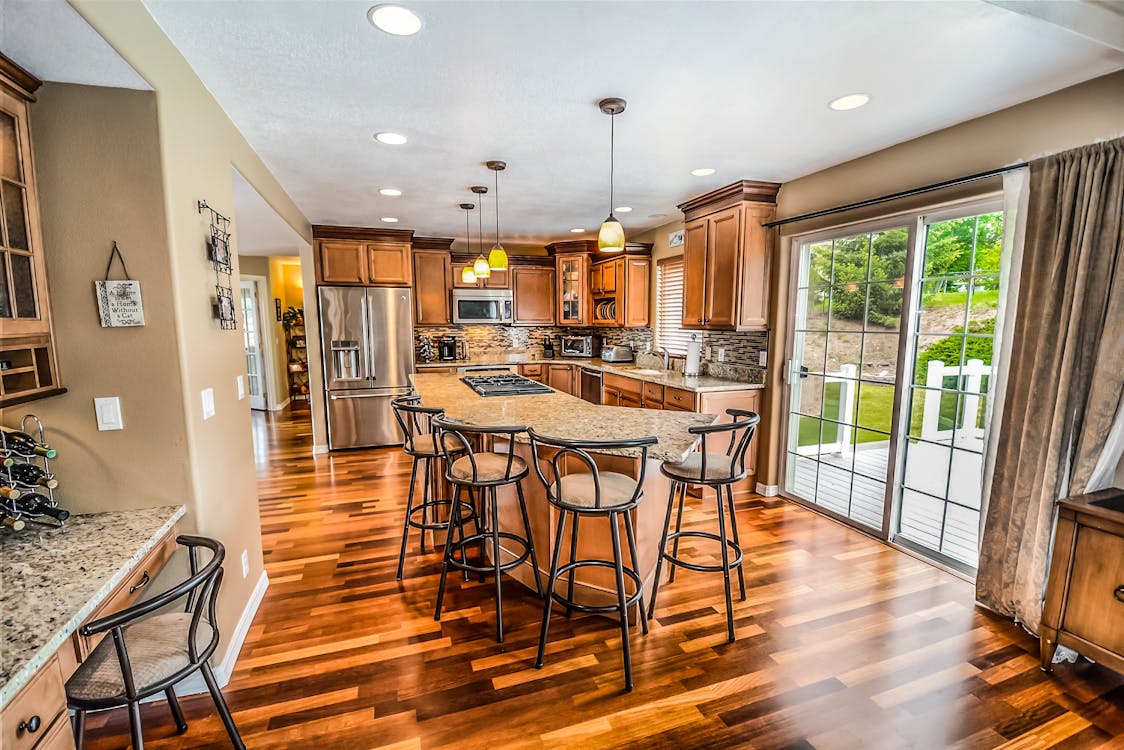
- Kitchen: Is it updated with modern appliances and finishes, or is it a time capsule from the 90s?
- Bathrooms: Same question. Dated tile and old vanities are major buyer turn-offs.
An honest assessment of your home’s physical fitness is non-negotiable. A failing system or a seriously dated kitchen will directly and significantly impact your final sale price. Don’t forget that curb appeal is the first impression. Overgrown landscaping or peeling paint can make a buyer decide they hate your house before they even step inside.
Pricing Models: Choosing Your Strategy for the Indianapolis Market
With your data and honest assessment in hand, it’s time to choose your game plan. In a buyer’s market, there is almost zero room for error.
| Pricing Strategy | The Goal | How It Works | Best For… |
|---|---|---|---|
| At Fair Market Value | Attract a solid pool of serious, qualified buyers without leaving money on the table. | Price your home directly in line with the most relevant and recent sold comparable properties. | Sellers who want a straightforward, predictable sale with minimal drama. |
| Slightly Below Market Value | Generate immediate, high-volume interest and potentially create a multiple-offer bidding war. | Price your home 1-3% below the most compelling sold comp to stand out as an incredible value. | Sellers who are willing to take a calculated risk for a potentially faster sale and higher final price. |
| Above Market Value (The Danger Zone) | “Testing the market” or trying to leave “room to negotiate.” | Price your home above what the data supports, hoping an uninformed buyer comes along. | No one. This strategy is a recipe for failure in a buyer’s market. |
The Danger Zone: Pricing Above Market Value
Let’s be loud and clear: The single biggest mistake you can make is saying, “We can always come down later.” This thinking is an addiction that can prevent you from reaching your goals.
In a 2026 Indianapolis buyer’s market, here’s what actually happens when you overprice your home:
- You become a ghost. Buyers and their agents filter by price. If your home is priced out of the correct bracket, the most likely buyers will never even see your listing.
- You help sell the competition. Your overpriced home becomes the property that other agents use to make their listings look like a great deal. “See? 123 Main Street is asking $450,000, which makes my listing at $425,000 look like a steal!”
- You accumulate Days on Market. As your home sits, the DOM count ticks up. This is a massive red flag for buyers, who will assume something is wrong with the property.
- You chase the market down. By the time you finally make a price reduction, the market may have already softened further. You’ll end up chasing it down with multiple price cuts, ultimately selling for less than if you had priced it correctly from the start.
The ‘Health’ of Your Home Sale: Connecting Price, Stress, and Well-being
This is where our mission at gravityatl.com slams right into your home-selling journey. Your pricing strategy isn’t just a financial decision; it has a profound and direct impact on your mental and emotional health.
Financial Fitness and Decision Fatigue
A clear, data-backed price from the start eliminates the agonizing, daily guesswork. Constantly debating “Should we drop the price? By how much? When?” leads to crippling decision fatigue and burnout. It’s a mental weight that drains your energy. Committing to a confident, logical strategy from day one is a proactive step to increase fitness for your mind and body, preserving your mental stamina for the entire process.
The Cortisol Connection: Overpricing and Chronic Stress
An overpriced home that sits on the market with no showings is a source of constant, low-grade stress. Every day without a call, every weekend without a viewing, every bit of negative feedback—it all adds up. This chronic uncertainty can elevate stress hormones like cortisol, which can wreck your sleep, sour your mood, and negatively impact your overall health.
Pricing your home correctly is an act of preventative self-care. It’s a strategy to minimize this chronic stress before it even starts. The relief of a well-priced home going under contract quickly is one of the best stress-reducers you can find. For many, exercise helps with addiction to this kind of stress and negative thinking.
Your Home Sale Wellness Plan
Selling your home is a temporary but intense season. Just as you’d prepare for a physical challenge, you need to prepare for this mental one.
- Stick to Your Routines: Don’t let the sale derail your life. Maintain your exercise schedule, your nutrition plan, and your sleep habits. The benefits of daily exercise are even more critical during high-stress periods.
- Practice Mindfulness: Set aside time each day to completely disconnect from the sale. Go for a walk, meditate, or spend time on a hobby. Protect your peace.
- Lean on Your Team: You hired a real estate professional for a reason. Trust them to absorb the market stress and guide you with objective advice. Let them do the heavy lifting.
Price for Success, Preserve Your Peace of Mind
Pricing your Indianapolis home to sell in a 2026 buyer’s market is far more than a financial calculation; it is the absolute foundation of a smooth, successful, and less stressful experience. By ditching the drama, embracing the hard data, and understanding the psychology of the market, you put yourself in the driver’s seat.
The ultimate goal is to move on to the next chapter of your life with your hard-earned equity—and your well-being—fully intact. A smart strategy protects both.
Selling a home is a major life event. To build resilience and manage stress effectively, explore the health and fitness resources at gravityatl.com.
Frequently Asked Questions
What does a ‘buyer’s market’ mean for selling my Indianapolis home in 2026?
A buyer’s market in Indianapolis means there will likely be more homes for sale than active buyers. This gives buyers more negotiating power and choices. As a seller, you’ll need to use an aggressive, data-driven pricing strategy to make your home stand out.
What is the recommended pricing strategy for a buyer’s market?
The guide suggests viewing your price as a core part of your marketing strategy. The key is to be aggressive and data-driven, which may involve pricing your home slightly below recent comparable sales to attract immediate interest and competitive offers.
Why is the initial list price so important in these market conditions?
In a market with more sellers than buyers, an attractive initial price is crucial to capture attention quickly. Overpricing can cause your home to be overlooked by potential buyers who have many other options, leading to it sitting on the market longer and potentially selling for less.
How does selling a home relate to health and wellness?
The article compares selling a home to a major life challenge that tests your strength and resilience. The process can be stressful and emotionally exhausting. Having a solid strategy, like a well-researched pricing plan, helps manage that stress, protecting your financial fitness and mental health.